
- 02/02/2026
- Posted by: Thamizharasu Gopalsamy
- Category: Marketing
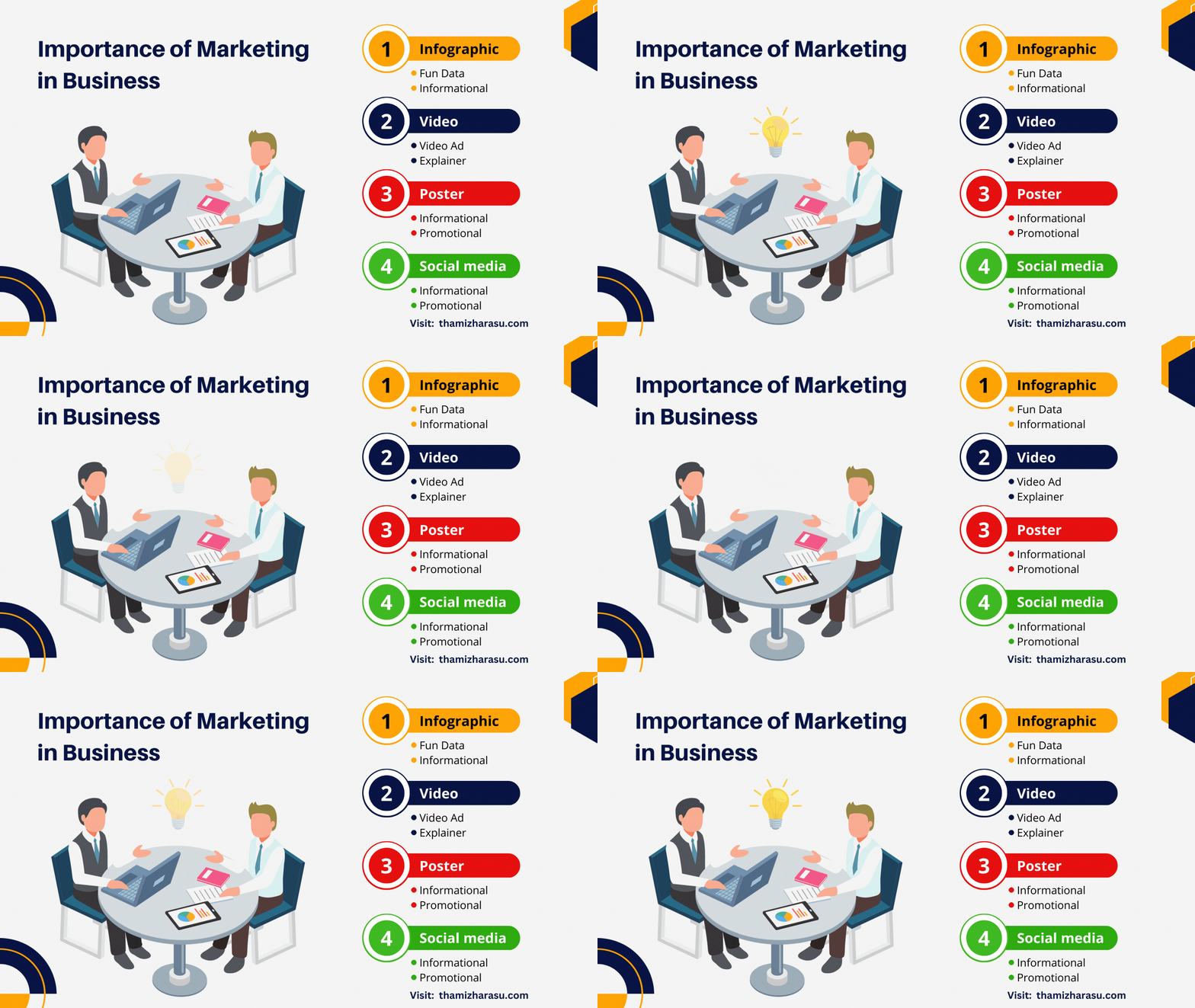
Y’all gather ’round now! In the bustling world of business, whether you’re peddlin’ homemade pies at the county fair or wranglin’ a startup in Silicon Valley, one truth stands as tall as a Texas sunflower: marketing is the lifeblood of any venture. Why, without it, you’d be as lost as a needle in a haystack. In this here digital age, marketing ain’t just about puttin’ up a sign by the roadside. It’s about storytelling, creating connections, and making sure your brand shines brighter than a polished pair of cowboy boots at a hoedown.
In today’s blog, we’re fixin’ to dive deep into why marketing is more crucial than a well in a drought. We’ll explore how effective marketing strategies can turn your business from an unknown trailblazer into the talk of the town. So, grab your hats and settle in as we embark on this enlightening journey through the wild frontier of business marketing. Whether you’re a seasoned rancher or a greenhorn just starting out, these insights will help ensure your business isn’t just another tumbleweed rolling through the desert of missed opportunities.
1. Introduction to the Role of Marketing in Business Success
Let’s dive into why marketing is such a big deal when it comes to the success of any business. Imagine you’ve got this brilliant product or service. Great, right? But how will people know about it if you don’t spread the word? That’s where marketing swoops in like a superhero!
Think of marketing as the megaphone that amplifies your business’s voice to reach every nook and cranny where your potential customers hang out. It’s not just about shouting from the rooftops that you exist; it’s about effectively communicating what’s special about your business and why people should pay attention.
Here’s how marketing can truly make a difference:
- Visibility: Ever heard of the saying “out of sight, out of mind”? Well, marketing keeps you in sight and in mind by making sure your business shows up in searches, social media, and beyond. It’s all about staying visible in a crowded marketplace.
- Connection: Marketing isn’t just about selling; it’s about creating stories and experiences that connect with people on an emotional level. When folks feel connected, they’re more likely to become loyal customers.
- Growth: With the right marketing strategies, you can reach more potential customers, enter new markets, and ultimately, grow your business. It’s like planting seeds in a garden—the more you nurture them with good marketing, the more they flourish.
So, whether you’re a startup or an established player, remember that robust marketing strategies are key to not just surviving, but thriving in the business world. Ready to turn up the volume on your business? Let’s make sure everyone hears your story loud and clear!
2. Understanding Market Research and Its Impact on Business Strategy
Hai! Let’s dive into the exciting world of market research and its crucial role in shaping successful business strategies. Imagine you’re planning a road trip. You wouldn’t just jump in the car and go, right? You’d want a map, check the weather, or even find the best places to grab a bite. Market research is a bit like that planning phase, but for your business.
First things first, what is market research? It’s the process of gathering information about your target audience’s needs, preferences, and behaviors. This isn’t just helpful; it’s essential for making informed decisions that align with what your customers actually want.
Here’s how it impacts your strategy:
- Customer Insights: Understanding who your customers are and what they need can lead to more effective product development and marketing strategies that speak directly to their desires.
- Competitive Advantage: By knowing the landscape — what your competitors are doing right or wrong — you can carve out your own niche or improve upon existing offerings.
- Risk Reduction: Ever launched a product that flopped? With robust market research, you can minimize these risks by testing concepts and getting feedback before a full-scale launch.
Conducting market research might involve surveys, interviews, or even social media listening — tools that help paint a clear picture of the market and where your business stands within it. This isn’t just about collecting data; it’s about transforming that data into actionable insights that drive your business forward.
So, whether you’re a startup or an established company, remember that understanding your market through thorough research isn’t just a step—it’s a continuous journey that keeps you connected to your customers and ahead of your competitors!
3. The Power of Branding: Building a Recognizable Business Identity
Hello there! Let’s chat about something exciting and crucial in the business world: branding. Imagine walking down the street, spotting a big golden arch and instantly knowing it’s McDonald’s. That’s the power of branding! Branding isn’t just about a cool logo or a catchy tagline; it’s about creating a unique identity that resonates with your customers and stands out in the crowded market.
So, why is branding so important? First off, effective branding can create a memorable impression that sticks with customers. This isn’t just about recognition; it’s about creating an experience that customers come back to time and again. More importantly, branding gives your business a personality and values. People aren’t just buying products or services; they’re aligning with what your brand stands for.
Here are a few key strategies to keep in mind:
- Consistency is Key: Whether it’s the color scheme, font, or style, keeping it consistent across all platforms helps in reinforcing your brand identity.
- Emotional Connection: Brands that connect emotionally with their customers can create loyal brand ambassadors. Think about what emotions you want your brand to evoke.
- Unique Value Proposition: What makes you different? Highlighting this can set you apart from competitors and attract more customers.
Remember, a strong brand doesn’t appear overnight. It’s about making strategic decisions and maintaining consistency. Whether you’re just starting out or thinking of rebranding, take a moment to think about what your brand stands for and the promise you make to your customers. This is what turns first-time buyers into lifetime customers!
Start building that identity and watch your business grow. Ready to make your mark?
4. Effective Advertising Techniques for Maximizing Business Exposure
Hai Let’s dive into some smart advertising techniques that can really put your business on the map. In today’s digital age, making a mark can seem daunting, but with the right strategies, it’s totally doable.
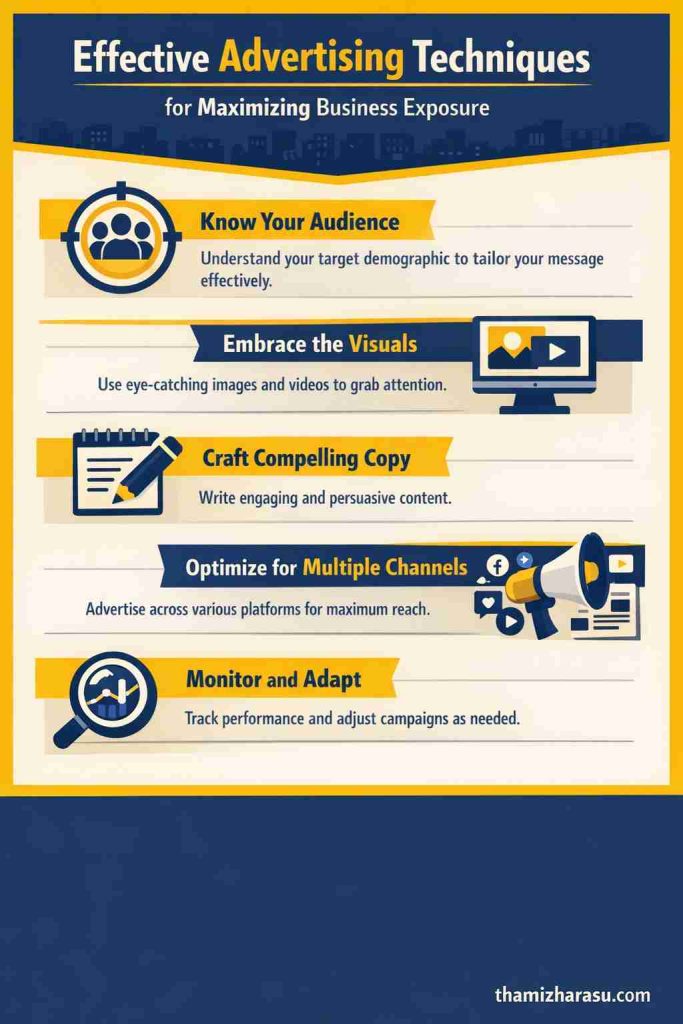
1. Know Your Audience
First up, know who you’re talking to. Tailoring your message to the right demographic is like hitting the bullseye. It ensures that your ads resonate more deeply and are more effective.
2. Embrace the Visuals
Next, let’s talk visuals because, let’s be honest, a picture really is worth a thousand words. Vibrant images, compelling videos, and eye-catching graphics can make your ads stand out. Remember, in advertising, attractive visuals are not just decoration—they’re communication.
3. Craft Compelling Copy
Words matter too! Crafting copy that engages and persuades your audience can make a huge difference. Whether it’s a catchy slogan or a persuasive narrative, the right words can spark interest and drive action.
4. Optimize for Multiple Channels
Don’t put all your eggs in one basket. Use multiple advertising channels to maximize exposure. From traditional print media to the latest digital platforms, spreading your message across various channels increases your visibility and enhances brand recall.
5. Monitor and Adapt
Last but not least, always keep an eye on performance. Use analytics to monitor how your ads are doing and be ready to tweak them. What works today might not work tomorrow, so staying flexible and adapting to feedback is key.
There you go! By applying these techniques, you’re not just advertising; you’re connecting and communicating. Happy advertising, and here’s to your business grabbing all the right kinds of attention!
5. Leveraging Social Media to Engage and Expand Your Customer Base
Hey! 🌟 Let’s dive into the world of social media and uncover how it can be your secret weapon in not only engaging with your community but also significantly expanding your customer base. In today’s digital age, if you’re not on social media, you’re missing out on a golden opportunity to connect with your audience on a personal level. So, buckle up as we explore this exciting journey together!
- Choose Your Platforms Wisely: Not all social media platforms are created equal, and neither is your target audience homogeneously spread across them. Identifying where your ideal customers hang out is crucial. Instagram and TikTok are fantastic for visually driven content, while LinkedIn is the go-to for professional and B2B interactions.
- Content is King, but Engagement is Queen: Posting great content is essential, but engaging with your followers through comments, messages, and even likes can turn casual followers into loyal customers. Remember, social media is a two-way street!
- Utilize User-Generated Content: There’s something incredibly powerful about seeing real people enjoying your product or service. Encourage your customers to share their experiences and tag your brand. This not only provides you with authentic content but also boosts your credibility.
- Influencer Collaborations: Partnering with influencers who resonate with your brand can help you tap into new audiences. It’s not always about the number of followers; relevance and engagement rates are key.
- Analytics are Your Best Friend: Keep an eye on the performance of your posts and campaigns. Insights gained from analytics tools can help you tweak your strategy for better results. Remember, what gets measured gets managed!
In conclusion, embracing social media with open arms and a strategic mind can open doors to new opportunities, helping you build a strong, engaged community around your brand. So go ahead, let your brand’s personality shine, and watch as you connect with customers in ways you never thought possible! 🚀
6. The Role of Content Marketing in Educating and Attracting Clients
Hello! Let’s dive into the fascinating world of content marketing and uncover how it’s so much more than just churning out blog posts or social media updates. At its core, content marketing is about creating meaningful connections with your audience through relevant and valuable information. It’s like being a good friend who’s always there to help, advise, and entertain – all through the power of content.
First off, content marketing helps educate your clients. Whether you’re explaining complex products, giving tips, or sharing industry insights, your content should serve as a trustworthy resource. This educational aspect not only enhances your credibility but also empowers your customers, making them feel more informed and confident in their decisions.
But how does it attract new clients? Well, imagine your content as a magnet. By addressing specific needs, answering burning questions, and engaging in topics your audience cares about, you pull people towards your business. Here’s how you can make your content work harder for you:
- Know Your Audience: Tailor your content to reflect the interests and challenges of your audience. The more relevant it is, the more likely they’ll stick around.
- Quality Over Quantity: Focus on producing quality content that’s both engaging and informative. High-quality content is shared more often, extending your reach organically.
- Optimize for SEO: Make sure your content is SEO-friendly so that it ranks well in search engine results, increasing your visibility online.
By integrating these strategies, content marketing can not only educate but also expand your client base, creating a dynamic cycle of learning and growth. Remember, the goal is to provide value that keeps people coming back for more, turning your audience into loyal customers and brand advocates. So, let’s start crafting content that speaks to hearts and minds, shall we?
7. Utilizing Email Marketing to Foster Customer Relationships and Retention
Hello! Let’s dive into the wonderful world of email marketing, a tool that’s not just about sending out newsletters, but a fantastic way to build lasting relationships with your customers.
First off, personalization is key. It’s like greeting a friend by name in a crowded room; it makes your customers feel recognized and valued. Use their first name, reference past purchases, or tailor content based on their interests. This approach shows you pay attention to their needs and preferences, which can significantly boost customer loyalty.
Next, consider the power of regular updates. Keep your audience informed about new products, upcoming sales, or interesting company news. However, balance is crucial here. Overloading inboxes can lead customers to unsubscribe, so make sure your emails are both timely and relevant.
Here are a few more tips to keep your email marketing effective and engaging:
- Segmentation: This is all about organizing your subscribers into different lists based on their preferences and behaviors. It allows you to send more targeted communications, which can lead to higher engagement rates.
- Mobile optimization: With most users checking their email on mobile devices, ensure your emails look good on smaller screens. Nobody likes to pinch and zoom to read an email!
- Call to Action: Every email should have a clear objective. Whether it’s inviting readers to check out a new product or reminding them of an ongoing sale, a strong call to action (CTA) guides them on what to do next.
Remember, effective email marketing is about building a conversation, not just broadcasting messages. So, keep it friendly, informative, and respectful of their inbox. Start seeing your emails as a way to forge deeper connections with your customers, and watch how they can help grow your business through repeat business and referrals!
8. Strategic Partnerships and Co-Marketing: Expanding Reach Collaboratively
Hello! Let’s dive into a super exciting aspect of marketing that can seriously turbocharge your business growth: Strategic Partnerships and Co-Marketing. Imagine combining your strengths with another cool brand to double your exposure and reach! Sounds fantastic, right? Well, it truly is!
First off, strategic partnerships are all about finding the right fit. Think of it as a business match-making process where two companies complement each other’s strengths. For instance, a coffee shop teaming up with a popular bakery to offer complete breakfast solutions can create a win-win situation for both businesses and customers.
On the other side, co-marketing involves collaborating on a marketing campaign. This means sharing resources like ideas, audience, and sometimes even budgets to execute a campaign that benefits both parties. Imagine a webinar where a tech company partners with a software firm to talk about the latest in cloud solutions. Both companies get to showcase their expertise to a shared audience, thus multiplying their outreach.
- Mutual Benefits: Both strategies hinge on mutual benefits. Each participant brings something unique to the table, which helps in reaching new customers and markets that might be inaccessible otherwise.
- Cost Efficiency: Pooling resources with another company can be more cost-effective than solo marketing efforts. You split costs and share the rewards.
- Enhanced Credibility: Partnering with other reputable businesses can also boost your brand’s credibility. When customers see companies they trust teaming up, they’re more likely to trust the partnership too.
To nail this strategy, start by identifying potential partners who share your target audience but don’t directly compete with your offerings. Reach out with a well-thought-out plan that outlines the potential benefits for both parties. Remember, the key to a successful partnership is a clear understanding of goals, transparent communication, and a shared vision.
So, go ahead and start brainstorming potential partners who align with your brand values and audience. A strategic partnership or co-marketing initiative could be just what you need to give your business a major boost in exposure and credibility!
9. Importance of Marketing – Events and Promotions: Direct Engagement Strategies
Hello! Let’s dive into one of the most exciting aspects of marketing—Events and Promotions. This is where the magic happens in real-time and you get to interact directly with your audience. Whether it’s a grand opening, a product launch, or a seasonal sale, events and promotions can create memorable experiences and build lasting relationships with your customers. So, why not explore how these initiatives can significantly boost your business’s profile and customer loyalty? Let’s get the ball rolling!
Why Events?
Imagine this: You’re at a lively event, surrounded by enthusiastic attendees who are all buzzing about your products or services. Events are powerful because they bring your brand to life beyond the digital screen or static advertisements. They offer a unique opportunity for potential customers to engage with your brand in a tangible way. This personal interaction helps foster stronger bonds and a deeper understanding of what your business stands for.
Types of Events to Consider
- Launch Parties: Perfect for unveiling a new product or service, creating buzz, and generating media coverage.
- Workshops and Seminars: Great for establishing your brand as a thought leader in your industry by providing valuable information and education.
- Networking Events: These can position your business at the heart of your industry, building important connections and collaborations.
- Customer Appreciation Events: A fun way to thank your loyal customers and make them feel valued.
- Pop-up Shops: These temporary retail spaces can test new markets and create a unique brand experience.
Planning Your Event
Planning an event might seem daunting, but with the right strategy, it can turn out to be an exhilarating experience. Start by defining your goals. What do you want to achieve? Is it brand awareness, product sales, customer loyalty, or lead generation? Once your goals are set, everything from the choice of venue to the promotional gifts should align with these objectives.
Next, think about your target audience. Who are they? What do they enjoy? Tailoring the event to fit the interests and expectations of your audience will not only ensure a higher turnout but also facilitate a deeper engagement.
Don’t forget the logistics! From budgeting to scheduling, every detail counts. Make sure you have a timeline and a checklist to manage everything efficiently. A well-organized event speaks volumes about your brand’s professionalism and attention to detail.
Promoting Your Event
Now that you’ve got everything planned out, let’s shout it from the rooftops! Utilizing your social media platforms, email newsletters, local media, and even collaborations with influencers can amplify your event’s reach. Consider offering early bird specials or limited-time offers to create urgency and boost early registrations or attendance.
Measuring Success
After all is said and done, how do you know if your event was a hit? It’s crucial to track both qualitative and quantitative success metrics. From attendee feedback and social media engagement to sales figures and future leads, every bit of data helps. This evaluation will not only demonstrate the ROI of your event but also provide invaluable insights for future events.
In conclusion, events and promotions aren’t just about marketing; they’re about creating experiences that resonate with people. It’s a chance to bring your brand’s personality to the forefront and connect with your customers in a way that no other marketing strategy can. So, are you ready to roll up your sleeves and start planning your next big event? Your audience awaits!
10. Types of Marketing Strategies
There are a variety of marketing strategies that businesses can use to promote and sell their products or services. The most common and effective marketing strategies include:
1. Advertising: Advertising is a form of marketing that involves creating and paying for ad space in order to promote a product or service. Common advertising platforms include television, radio, print (newspapers and magazines), and digital (websites, online banner ads, and social media).
2. Public relations: Public relations (PR) is a form of marketing that focuses on generating positive publicity for a business through media relations, event planning, and content marketing.
3. Sales promotion: Sales promotion is a form of marketing that uses short-term incentives to encourage customers to purchase a product or service. Common sales promotions include discounts, coupons, contests, and freebies.
4. Direct marketing: Direct marketing is a form of marketing that involves sending targeted messages directly to potential customers through channels like email, text messages, or direct mail.
5. Relationship Marketing: Relationship marketing is a form of marketing that focuses on building strong relationships with customers and other stakeholders (like suppliers or partners). This type of marketing can be achieved through activities like customer loyalty programs, customer satisfaction surveys, and social media engagement.
11. How to Plan a Successful Marketing Strategy
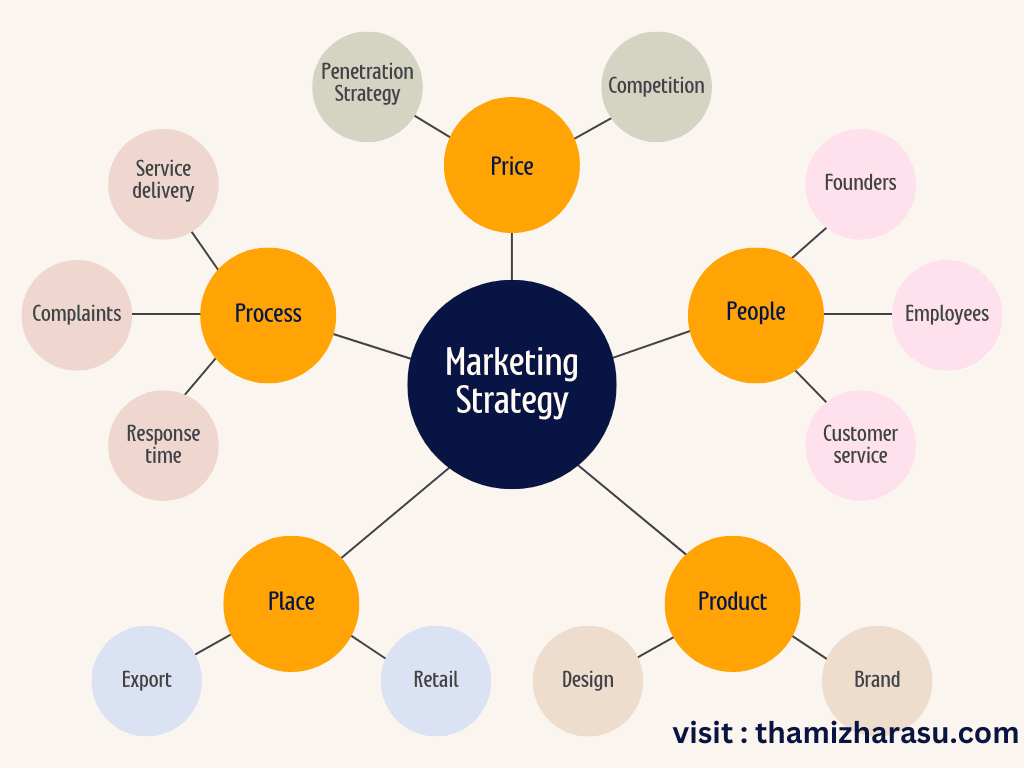
If you want your business to grow and succeed, Importance of Marketing in Business is essential. But how do you create a successful marketing strategy? It can be tricky to know where to start, but luckily there are some tried and true methods that can help you get the most out of your marketing efforts.
Here are some tips for planning a successful marketing strategy:
1. Define your goals. What do you want to achieve with your marketing? More sales? More leads? A bigger market share? Once you know what you want to achieve, you can more easily create a strategy that will help you get there.
2. Know your audience. Who are you marketing to? What do they need or want? What motivates them? The better you understand your target market, the easier it will be to create messages and offer solutions that resonate with them.
3. Research your competition. What are they doing well? Where could they improve? Knowing what others in your industry are up to can help you stay ahead of the curve and avoid making the same mistakes.
4. Choose the right channels. There are many different ways to reach your target market these days, so it’s important to choose the channels that will work best for you. Consider things like SEO, social media, email marketing, and even traditional advertising when making your decision.
5. Create compelling content. No matter what channels you use, your marketing will only be successful if you have great content.
12. Analyzing the ROI of Marketing Efforts: Metrics and Tools for Business Growth
Hey there! Let’s dive into one of the most thrilling parts of marketing—measuring what we’ve achieved! Understanding the Return on Investment (ROI) from your marketing campaigns is not just about seeing what works, but it’s also about making smarter decisions for future efforts. Here’s how you can start mastering this essential skill.
What Metrics Should You Track?
First things first, determining the right metrics is crucial. Not all data is equally important, so focus on these key figures:
- Conversion Rates: How many of your audience members are taking the desired action?
- Customer Acquisition Cost (CAC): How much are you spending to gain a new customer?
- Customer Lifetime Value (CLV): What is the total worth of a customer to your business over the whole period of your relationship?
- Engagement Rates: How do your customers interact with your content and campaigns?
Tools to Help You Out
Thankfully, you don’t have to do all the number-crunching manually. There are fantastic tools out there that can help automate and simplify the process. Consider leveraging platforms like Google Analytics for website traffic and user behavior, or HubSpot and Marketo for more comprehensive marketing automation features.
Putting It All Together
Once you’ve gathered your data and have your tools set up, it’s time to analyze. Look for trends, see what’s working, and importantly, identify areas where you can improve. Remember, the ultimate goal of measuring ROI isn’t just about justification of marketing spend—it’s about refining your strategies to boost profitability and business growth.
Stick with it, keep experimenting, and use those insights to guide your business to new heights. After all, every piece of data tells a story. Make sure you’re listening to what the numbers are telling you!
In Sum: Well, folks, that’s the roundup on the wild ride that is marketing in the business world. Just like a well-oiled saddle, effective marketing helps ensure that your business ride is smooth and far-reaching. Remember, whether it’s about branding your steed or hollering your message across the plains, marketing is the lasso that helps you catch those wandering opportunities.
So, don’t let your business just trot along; give it the reins it deserves and watch it gallop towards success. If the trail seems a bit daunting, worry not! Just holler our way. We’re here to help you strategize, advertise, and maximize your visibility in the bustling marketplace.
So, what are you waiting for? Drop us a line or fill out the form below. Let’s start this rodeo and get your business riding high!

Leave a Reply
You must be logged in to post a comment.