
- 19/01/2026
- Posted by: Thamizharasu Gopalsamy
- Category: Marketing

A well-crafted business marketing plan is the roadmap that guides your company toward sustainable growth and competitive success. Whether you’re launching a startup or revitalizing an established brand, a strategic marketing plan helps you allocate resources effectively, reach your target audience, and achieve measurable results. Here are essential tips to help you create a marketing plan that actually works.
1. Start with Clear, Measurable Goals
Your marketing plan needs specific objectives that align with your overall business goals. Instead of vague aims like “increase brand awareness,” set concrete targets such as “generate 500 qualified leads per month” or “achieve 25% revenue growth in Q2.”
Use the SMART framework to ensure your goals are Specific, Measurable, Achievable, Relevant, and Time-bound. This clarity makes it easier to track progress and adjust your strategy when needed. Consider both short-term wins and long-term objectives to maintain momentum while building toward sustainable success.
2. Know Your Target Audience Inside and Out
Understanding who you’re marketing to is fundamental to creating effective campaigns. Develop detailed buyer personas that go beyond basic demographics to include psychographics, pain points, buying behaviors, and preferred communication channels.
Research your audience through surveys, customer interviews, social media listening, and analytics data. The more you understand their challenges, motivations, and decision-making processes, the better you can tailor your messaging and choose the right marketing channels to reach them.
3. Conduct a Thorough Competitive Analysis
Your marketing plan should account for the competitive landscape. Identify your main competitors and analyze their marketing strategies, strengths, weaknesses, and market positioning. Look at their content marketing, social media presence, SEO performance, and customer engagement tactics.
This analysis reveals gaps in the market you can exploit and helps you differentiate your brand. Tools like SEMrush, Ahrefs, and social media monitoring platforms can provide valuable insights into competitor performance and industry trends.
4. Define Your Unique Value Proposition
What makes your business different from competitors? Your unique value proposition should clearly communicate why customers should choose you. This becomes the foundation of your messaging across all marketing channels.
Focus on the specific benefits you deliver and the problems you solve rather than just listing features. Your value proposition should resonate emotionally with your target audience while demonstrating tangible value.
5. Choose the Right Marketing Channels
Not every marketing channel will be right for your business. Based on your target audience research, select channels where your customers are most active and receptive. This might include content marketing, social media platforms, email marketing, SEO, paid advertising, or traditional media.
Quality matters more than quantity. It’s better to excel on three channels than to spread yourself thin across ten. Allocate your budget and resources to channels that offer the best return on investment for your specific business and audience.
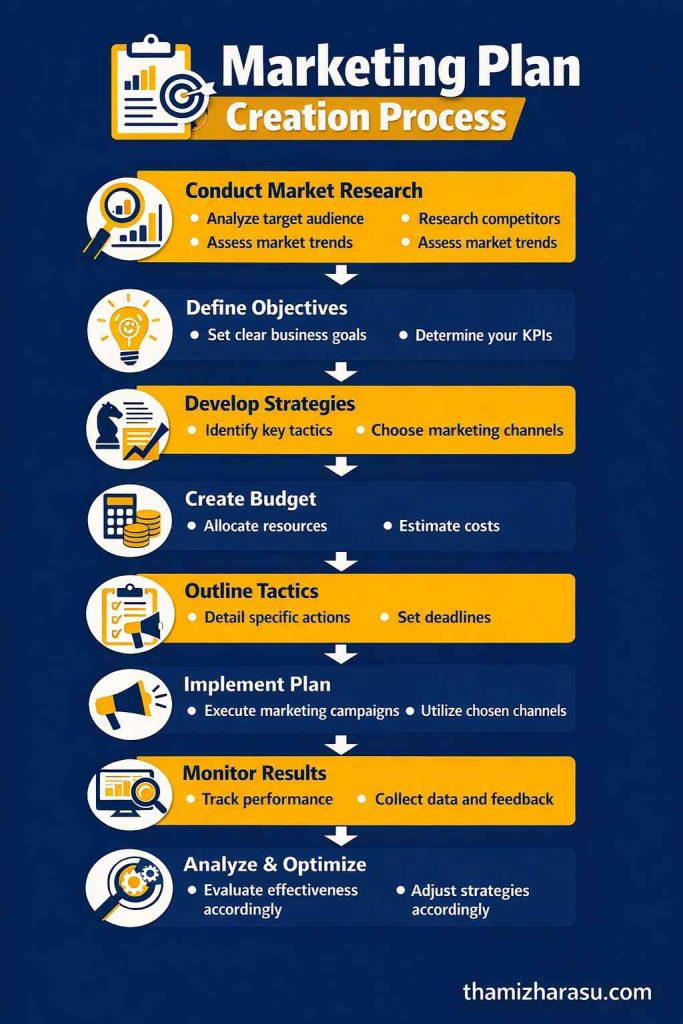
6. Develop a Content Strategy That Engages
Content marketing remains one of the most effective ways to attract, engage, and convert customers. Create a content calendar that addresses your audience’s questions, challenges, and interests at different stages of the buyer’s journey.
Mix different content types including blog posts, videos, infographics, case studies, and podcasts to keep your audience engaged. Ensure all content provides genuine value and aligns with your brand voice and messaging strategy.
7. Set a Realistic Marketing Budget
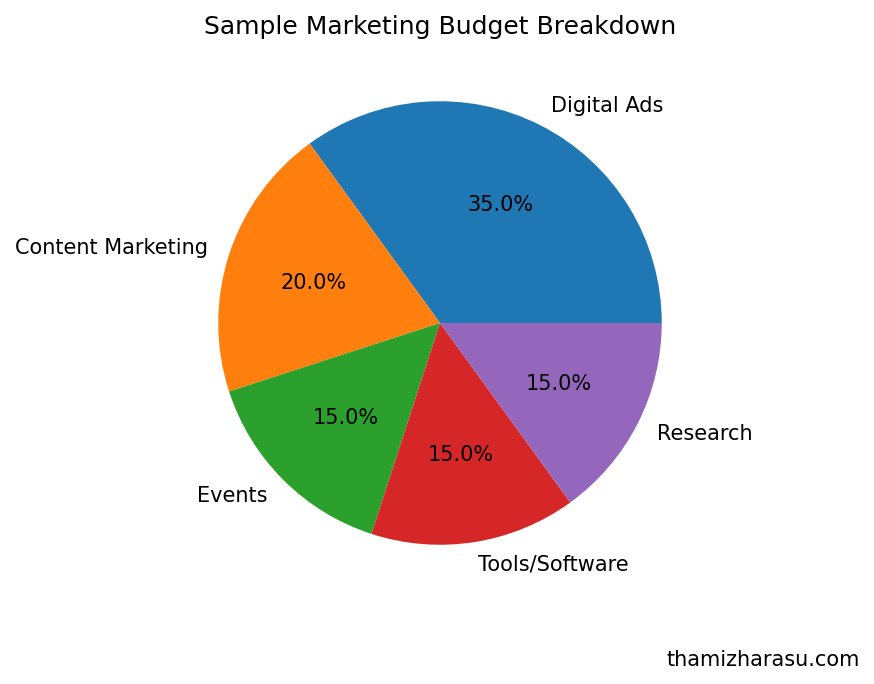
Your marketing budget should reflect your business goals and growth stage. As a general guideline, businesses typically allocate between 5% and 15% of revenue to marketing, though this varies significantly by industry and company size.
Break down your budget by channel and campaign, ensuring you reserve funds for testing new tactics. Include costs for tools, software, personnel, creative production, and advertising spend. Regular budget reviews help you reallocate resources to your highest-performing initiatives.
8. Create a Timeline with Key Milestones
A marketing plan without a timeline is just a wishlist. Develop a realistic schedule that outlines when you’ll launch campaigns, publish content, and achieve specific milestones. This creates accountability and helps coordinate efforts across your team.
Use project management tools to track deadlines, assign responsibilities, and monitor progress. Build in buffer time for unexpected delays and allow flexibility to capitalize on timely opportunities or adjust to market changes.
9. Establish Key Performance Indicators (KPIs)
You can’t improve what you don’t measure. Identify the metrics that truly matter for your business objectives. These might include website traffic, conversion rates, customer acquisition cost, customer lifetime value, social media engagement, or email open rates.
Focus on metrics that directly tie to business outcomes rather than vanity metrics that look impressive but don’t drive results. Set up proper tracking systems using tools like Google Analytics, CRM platforms, and marketing automation software to monitor performance consistently.
10. Plan for Testing and Optimization
The most effective marketing plans build in continuous improvement through testing and optimization. Allocate budget and time for A/B testing different headlines, images, calls-to-action, landing pages, and email subject lines.
Embrace a data-driven approach where you regularly analyze results, identify what’s working, and double down on successful tactics while eliminating underperforming efforts. Marketing is iterative, and your plan should evolve based on real-world results.
11. Integrate Your Marketing Efforts
Your marketing channels shouldn’t operate in silos. Create a cohesive strategy where your content marketing supports your SEO efforts, your social media drives email signups, and your paid advertising complements your organic reach.
Consistent messaging across all touchpoints reinforces your brand identity and creates a seamless customer experience. Ensure your team communicates regularly to maintain alignment and leverage cross-channel opportunities.
12. Document Everything Clearly
Your marketing plan should be a living document that guides your team’s daily activities. Include executive summaries, detailed strategy sections, tactical implementation plans, and reference materials in a format that’s easy to navigate and update.
Share the plan with relevant stakeholders and ensure everyone understands their roles and responsibilities. Regular plan reviews keep your strategy relevant as market conditions and business priorities evolve.
13. Build in Flexibility and Contingency Plans
Markets change, consumer behaviors shift, and unexpected events occur. While your marketing plan should provide clear direction, it also needs flexibility to adapt to new circumstances. Identify potential risks and develop contingency strategies for different scenarios.
Stay informed about industry trends, emerging technologies, and competitive moves that might require strategic adjustments. The ability to pivot quickly while maintaining strategic focus is a competitive advantage.
Would you like to create a Specific and Comprehensive marketing plan for your organization? Please submit the form below:

Leave a Reply
You must be logged in to post a comment.